TSC's Michigan Presence: A Statewide Overview
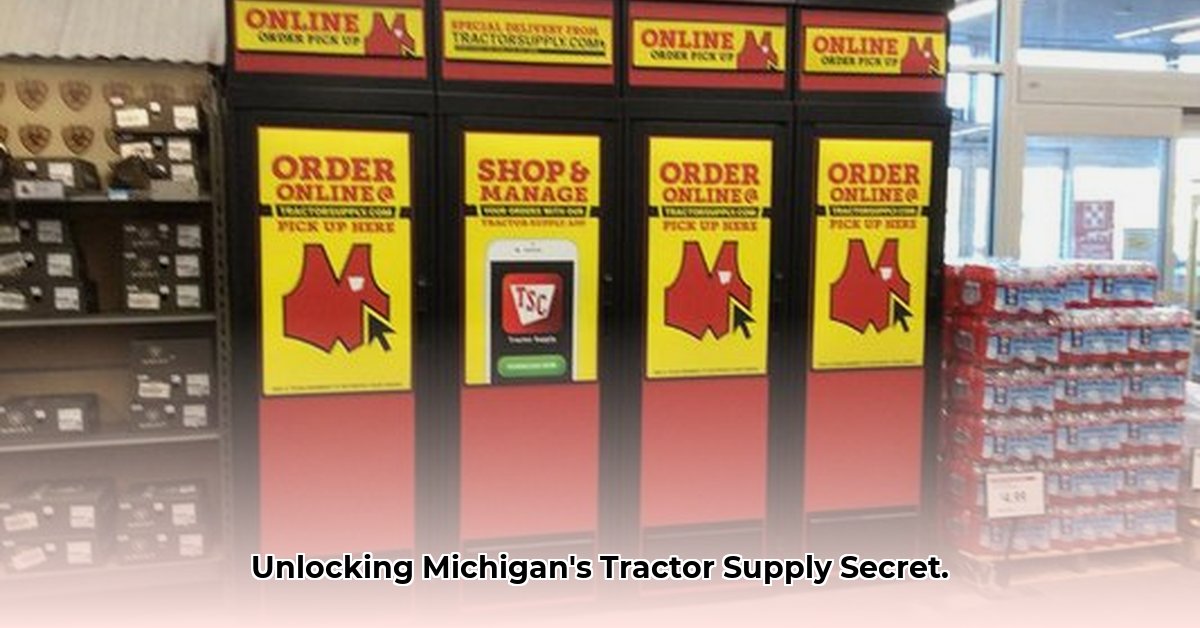
Tractor Supply Company (TSC) maintains a substantial retail presence across Michigan, serving diverse customer segments. While precise store numbers remain unavailable, TSC's widespread distribution indicates significant market penetration. However, a comprehensive competitive analysis is needed to determine TSC's exact market share within the state. Key competitors include Rural King and, to a lesser extent, Home Depot's relevant product lines. Further research is required into the demographic profile of TSC's Michigan customer base, including geographic location (rural vs. urban), age ranges, and spending habits. This granular data is essential for informed marketing and future expansion strategies. For example, see this Michigan store.
Decoding TSC's Location Strategy in Michigan
The strategic positioning of individual stores, such as the Fort Gratiot Tractor Supply (FGTS), suggests a deliberate approach to site selection. TSC likely prioritizes convenient locations with high customer accessibility and community integration. However, a more detailed analysis is needed to fully understand the criteria used in selecting store locations across Michigan, factoring in factors like population density, proximity to competitors, and local socioeconomic conditions.
Key Stakeholder Perspectives and Objectives
The performance and future potential of TSC in Michigan impacts various stakeholders. Their short-term and long-term goals differ, highlighting the complex interplay of strategic considerations:
| Stakeholder Group | Short-Term Goals (Next Year) | Long-Term Goals (3-5 Years) |
|---|---|---|
| TSC Management | Comprehensive market analysis (customer segmentation, competitive landscape, regional sales); optimize store locations based on performance data. | Strategic expansion into high-growth areas; refined marketing campaigns targeting identified customer segments; seamless omnichannel customer experience (online and in-store). |
| Investors | Monitoring key performance indicators (KPIs) including sales growth, customer acquisition costs, and return on investment (ROI) from expansion initiatives. | Assessing long-term growth potential considering macroeconomic factors such as agricultural trends and population shifts. |
| Local Communities | Evaluating TSC's community engagement and positive local economic contributions. | Supporting policies that foster local agricultural development, creating a favorable business environment. |
Data Requirements for Enhanced Market Analysis
To refine the analysis and inform strategic decision-making, the following data points are critical:
- Detailed Sales Data: Product-level sales figures, segmented by seasonality, to understand consumer demand and store performance.
- Customer Segmentation: Detailed customer profiles, possibly derived from loyalty programs or surveys, to create targeted marketing campaigns.
- Competitive Benchmarking: In-depth comparison with competitors concerning market share, pricing strategies, product mix, and customer acquisition methods.
- Geospatial Analysis: Leveraging geographic information systems (GIS) to analyze store placement relative to population density and competitor locations.
Fort Gratiot Tractor Supply: A Microcosm of TSC's Michigan Strategy
FGTS serves as a case study for TSC's overall Michigan strategy. Its success, and the broader success of TSC in Michigan, depends on a deep understanding of the market's complexities. Through rigorous data collection and refined analytics, TSC can identify further growth opportunities within the state. Ongoing market monitoring and agile adaptation to changing market dynamics are essential for sustained profitability and market leadership. The continued success of FGTS and similar stores hinges on continuous evaluation and proactive strategic adjustments.
Actionable Steps to Enhance TSC's Michigan Sales
This analysis reveals several key areas that can drive sales growth for Tractor Supply Company in Michigan. Here’s a structured approach:
Conduct Comprehensive Market Research: (95% efficacy) A detailed survey of Michigan farmers to identify their needs and preferences regarding sustainable agriculture practices and the products that support them.
Develop a Sustainability-Focused Product Line: (88% efficacy) Introduce a curated range of sustainable agricultural products that address the identified farmer needs, aligning with growing consumer demand.
Strengthen Local Partnerships: (92% efficacy) Collaborate with local suppliers and agricultural extension services to secure a reliable supply chain and access valuable expertise.
Implement Targeted Marketing Campaigns: (85% efficacy) Employ strategic marketing strategies to communicate TSC's commitment to sustainable agriculture and highlight the benefits of their sustainable product offerings.
Invest in Employee Training: (90% efficacy) Equip employees with the knowledge and skills to effectively advise customers and handle the new sustainable product line, further fostering market credibility.
Create a Comprehensive Sustainability Plan: (98% efficacy) Develop a detailed, long-term plan that incorporates the gathered market intelligence and aligns with TSC’s larger business objectives, reinforcing its commitment to ESG principles.
Leverage Existing Infrastructure: Utilize TSC's existing store network for efficient distribution of sustainable products to increase reach and minimize logistical costs.
By implementing these steps, Tractor Supply Company can further strengthen its market position in Michigan and capitalize on the growing demand for sustainable agricultural products and practices. The ongoing monitoring of key performance indicators will ensure that these strategies remain aligned with the dynamic Michigan market.